Where Do Swimming Pools Usually Leak?
A swimming pool can lose water for several reasons, but when water loss is greater than normal evaporation, you may be dealing with a leak. The difficult part is figuring out where the water is escaping.
Pool leaks aren’t always obvious. You may not see a puddle, wet spot, or visible crack. Some leaks occur underground or inside plumbing lines, allowing water to escape without leaving an obvious sign.
So, where do swimming pools usually leak?
Here are some of the most common areas to check.
1. Pool Skimmer
The skimmer is one of the most common places for a pool leak to develop.
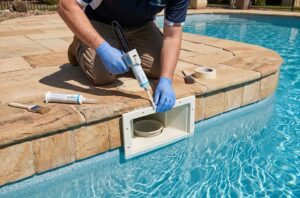
The skimmer connects the pool to the circulation system and is installed into the pool wall. Over time, the connection between the skimmer and the pool structure can deteriorate, crack, or separate.
A leaking skimmer may cause water loss around the pool’s waterline. In some cases, the leak may be difficult to see because water can travel into the surrounding soil.
If your pool consistently loses water until it reaches the bottom of the skimmer opening, the skimmer and its plumbing are worth investigating.
2. Underground Plumbing Lines
Some of the hardest pool leaks to find are located in underground plumbing.
Your pool may have several plumbing lines connecting the pool to the pump, filter, heater, drains, returns, and other equipment. A cracked pipe, damaged fitting, or failed connection can allow water to escape underground.
Underground plumbing leaks can be particularly frustrating because there may be no visible evidence at the surface.
Professional leak detection companies can use methods such as pressure testing and acoustic detection to determine whether an underground line is leaking and help pinpoint the location before excavation.
3. Pool Returns
The return fittings are the openings where filtered water flows back into your pool.
The fitting itself or the plumbing connected behind it can develop a leak. Because much of the plumbing is located behind the pool wall or underground, the source may not be immediately visible.
If you suspect a return-line leak, a professional can isolate and test the individual plumbing line to determine whether it is holding pressure.
4. Pool Lights and Light Niches
Pool lights are another area that can develop leaks.
The light fixture sits inside a niche built into the pool wall. Seals, conduits, or connections around the light can deteriorate over time.
A leak around the light niche may be small but persistent. Dye testing can sometimes help identify water movement around suspected areas of the pool structure.
Because electrical components may be involved, homeowners should avoid attempting repairs around underwater electrical equipment themselves.
5. Main Drains
Main drains are located at the bottom of the pool and connect to underground plumbing.
A leak can develop around the drain fitting, seal, or plumbing beneath the pool. Since the plumbing is underground, these leaks can be difficult to locate without specialized testing.
If your pool is losing water and other potential leak locations have been ruled out, the main drain and its plumbing may need to be tested.
6. Pool Shell Cracks
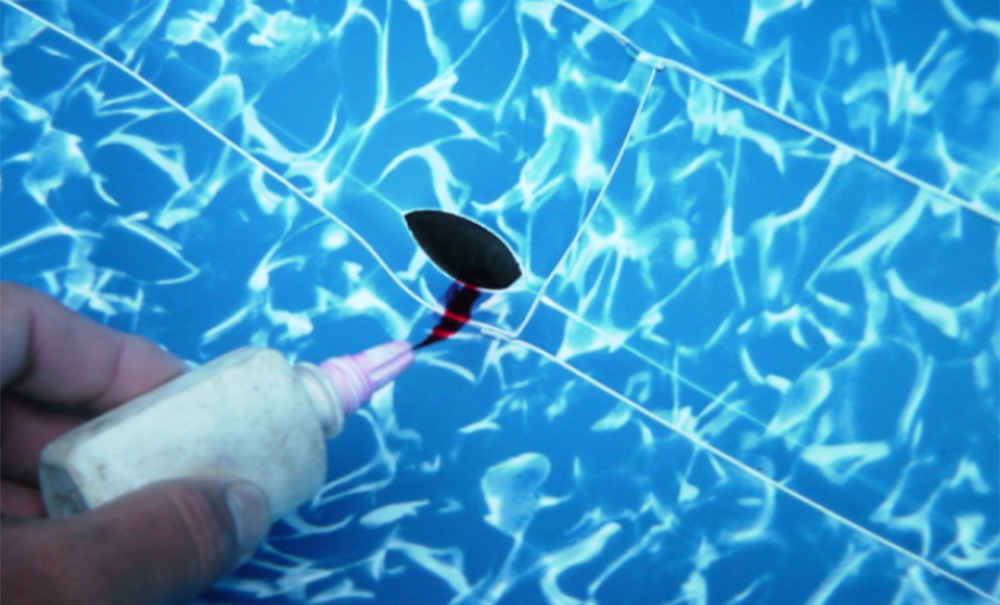
Not every crack in a swimming pool means there is an active leak. Some surface cracks may be cosmetic, while others can allow water to escape.
Structural cracks, cracks around fittings, and cracks that extend through the pool shell deserve closer inspection.
If you notice a crack accompanied by unexplained water loss, don’t assume it is simply cosmetic. A professional can determine whether the crack is actually allowing water to escape.
7. Tile Line and Pool Surface
Leaks can also occur around the pool’s tile line, coping, or other transitions between materials.
Small gaps or deteriorated seals can allow water to move behind the pool finish. These leaks may be subtle and difficult to identify through a visual inspection alone.
Dye testing is one method professionals may use when investigating suspected leaks around visible fittings, cracks, and other areas of the pool.
8. Pool Equipment and Connections
Not every pool leak is inside the pool itself.
The equipment pad contains pumps, filters, heaters, valves, plumbing connections, and other components. A failed seal, cracked fitting, or leaking connection can cause water loss.
Look around your equipment pad for:
- Standing water
- Constant dripping
- Wet areas
- Corrosion
- Air entering the circulation system
- Connections that appear unusually wet
A visible equipment leak can sometimes be easier to identify than an underground plumbing leak, but it still needs to be addressed before it causes additional problems.
9. Water Features and Spillways
If your pool has a waterfall, spa spillover, fountain, or other water feature, those systems can introduce additional plumbing and connection points where leaks may occur.
Water features can be especially challenging because their plumbing may run through walls, raised structures, or underground areas.
If you notice that water loss increases when a particular water feature is running, that can provide an important clue about where the leak may be located.
How Can You Tell Where Your Pool Is Leaking?
The first step is determining whether you’re actually losing water from a leak rather than normal evaporation.
A simple bucket test can help. Place a bucket on a pool step, fill it with pool water, and mark the water levels inside and outside the bucket. After approximately 24 hours, compare the amount of water lost inside the bucket with the amount lost from the pool.
If the pool level drops significantly more than the water inside the bucket, you may have a leak.
You can also pay attention to whether water loss changes when your pool pump is running.
A noticeable difference between pump-on and pump-off conditions can provide a useful clue about whether the plumbing system may be involved. However, these tests generally help determine whether a leak exists, not necessarily its exact location.
Signs Your Texas Pool May Have a Leak
Texas homeowners may notice several warning signs that indicate it’s time to investigate pool water loss.
Watch for:
- Your pool requires frequent refilling.
- The water level continues dropping even when the pool isn’t being used.
- Your water bill suddenly increases.
- The ground around the pool or equipment pad stays unusually wet.
- Your pool pump has trouble maintaining prime.
- You notice cracks around the pool.
- Your automatic pool fill system runs more frequently than normal.
- Water loss seems to increase when the pump is operating.
Remember that Texas pools can lose water through evaporation, particularly during hot weather. That’s why it’s important to determine whether the amount of water you’re losing is consistent with normal evaporation or points to an actual leak.
Why Pool Leaks Can Be Difficult to Find
Finding a pool leak isn’t always as simple as looking for a puddle.
Water can travel through soil, concrete, plumbing channels, and other pathways before reaching the surface. An underground pipe can also leak without producing an obvious wet spot in your yard.
That’s why professional pool leak detection often involves multiple methods. Depending on the situation, technicians may use visual inspection, dye testing, pressure testing, and acoustic detection to narrow down the source of the leak.
The goal isn’t simply to confirm that your pool is losing water. It’s to determine where the water is escaping so the problem can be repaired with as little unnecessary excavation or disruption as possible.
When Should You Call a Pool Leak Detection Professional?
If you’ve confirmed that your pool is losing more water than expected and you can’t identify the source, professional leak detection can save you time and prevent unnecessary digging.
A qualified technician can test the pool’s plumbing and inspect common problem areas to determine whether the leak is coming from the pool structure, plumbing, fittings, equipment, or another component.
The sooner a leak is identified, the sooner you can stop wasting water and address the underlying problem.
Need Help Finding a Pool Leak in Texas?
If your pool is constantly losing water, don’t keep guessing where the leak might be.
A professionals at Poolside Leak Detection & Restoration Co. can identify the source of water loss and help determine the appropriate repair. For Texas homeowners, that means less time chasing unexplained water loss and more confidence that the problem has been properly diagnosed.
Think your pool has a leak? Contact Poolside Leak Detection & Restoration Co. at (210) 772-8840 to schedule an inspection and find out where your pool is losing water.